
Menswear is heavily reliant on technology for its designs. From clothing that is light-responsive and changes hues with the sun’s rays to smart fabrics that monitor heart rate there’s plenty of new technology.
Technical textiles are created to combine features such as water management, durability and mobility. Find wrinkle-resistant materials which blend cotton for fresh comfort, while incorporating a tiny proportion of Spandex for some stretch.
Wrinkle-Resistant Fabrics
Fabrics that resist wrinkles are a fantastic option for people who are looking for elegant, polished looks without the effort of ironing. They are especially useful for modern workwear and travel professional attire, allowing them to look elegant all day long without having to worry about wrinkles.
Although the majority of natural fibers aren’t naturally wrinkle resistant, they can be treated with a wrinkle resistance finish to prevent creasing. Some wrinkle-resistant clothing requires specific washing instructions, ironing, and drying. Follow the guidelines on the label of your shirt or dress in order to keep its wrinkle-resistant qualities.
For example, polyester and polyester blends generally wrinkle less than other materials. However, if you’re searching for a sustainable alternative hemp or organic cotton will give the same look as synthetic materials with an environmental footprint that is less. The fabric’s thickness can influence its resistance to wrinkles. Broadcloth fabrics can be more prone to wrinkle than fabrics such as twill or pinpoint. Two-ply fabrics are stronger and offers better body than a 1 ply.
Performance Fabrics
The need for clothes that is able to keep up with ever-growing athletic accomplishments is growing. Performance fabrics are among the latest innovations in fabric technology. aid athletes in achieving their goals refer this website for more details https://insidemen.vn/collections/ao-polo. They offer functional features like breathability, stretching, and moisture-wicking.
Fabrics that are of the best quality can be used for all day use. These fabrics offer men the convenience and comfort they want while running errands or going to work. Performance fabrics may contain antimicrobial silver coatings, or chitosan fibers, which help to reduce odors and stop bacteria from growing.
Some performance fabrics are composed from recycled materials and they incorporate sustainable production methods into their production processes. It helps to reduce their environmental impact as well as conserve natural resources. These fabrics are also durable that means they can be used more than once before they need to be replaced. This decreases the amount of waste that goes to landfills. The development of new materials is being explored. This could include blending soft natural fibers with synthetics for better moisture management. Fabrics that fight odor and self-drying, as well as those with nutritionally enhanced fabrics are also expected in the near future.
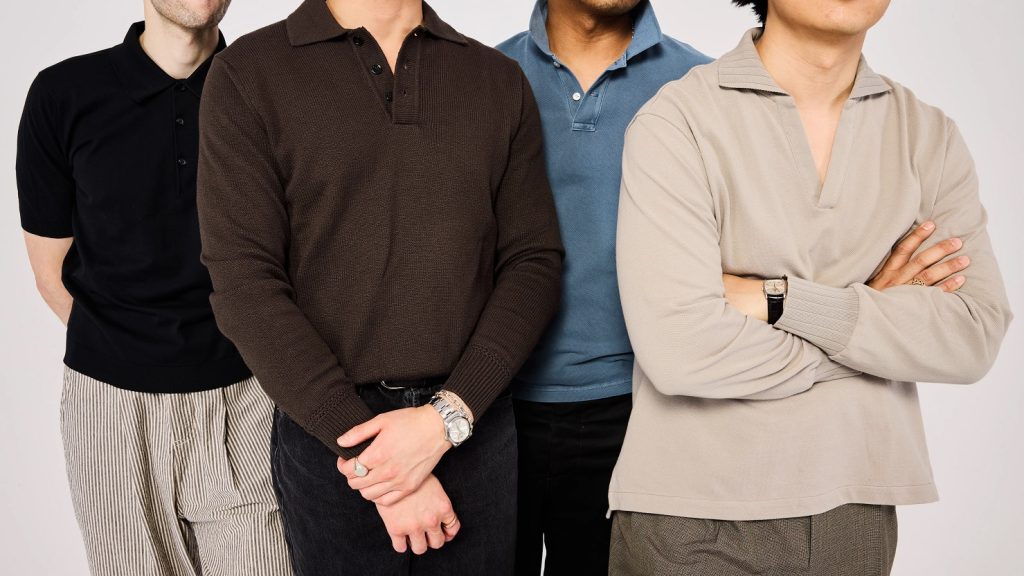
Modern Fabrics for Men
Designers are using new materials to reduce the environmental impact. They are typically made from recycled or natural fibers that can be reused easily and biodegraded. These new materials are designed with the most modern technology to improve the performance of menswear.
For instance, a brand new product from Bolt Threads imitates the elasticity and strength of spider webs in order to create a pliable fabric that is comfortable and durable. Some eco-friendly fabrics include recycled polyester, cotton and a soft ripstop that is made up of recycled Polyamide and Ecorepel BIO. It is a water- and dirt repellent finish.
The latest technology is revolutionizing the process of design. From cutting patterns and building, to virtual fittings, and 3D models, a revolution in technology has changed the way designers design. These innovations will increase the efficiency and accuracy of production processes, while saving on costs and resources. This will benefit the industry and the environment in longer term.
Moisture-Wicking Fabrics
Moisture-wicking fabrics pull sweat from the skin to prevent friction and help keep your skin dry and cool. This fabric type is perfect for intense workouts and outdoor activities, as well as running and other activities which can result in sweat accumulation.
The premise behind wicking fabrics is capillary effect and relies on the forces of adhesion which occur between water molecules on the surface of the fiber. Fabrics with an wicking claim must have an encapsulation of hydrophobic, or water-loving and hydrophilic, also known as water loving, fibers to help facilitate this process.
Bamboo fibers are among the best products for wicking moisture particularly when they are knitted into french terry. Wool, as well as other natural materials also wick moisture well. Performance finishes help fabric surfaces resist to water, which discourages absorption.
Wicking fabrics are commonly found in men’s activewear, but also casual pieces such as t-shirts and button-downs. Modern athleisure is a fantastic example of this technology combining with fashionable. Joggers and hoodies feature athletic silhouettes paired with striking graphic prints that balance practical performance with relaxed style.
Temperature-Regulating Clothing
Temperature-regulating clothing adjusts to changing climate conditions, providing optimal comfort and efficiency. The clothing helps prevent excessive sweating and heat peak through cooling the fabric. It also lowers the chance of blisters and unwanted odors. It’s also environmentally friendly, because the material is created with eco-friendly methods and materials.
The temperature-regulating finish uses micro encapsulated phase-change materials (PCMs) to absorb or release heat. When the PCM reaches its melting point it melts into the fabric surrounding it and releases the absorbed heat. This process happens without the fabric having to be heated, which makes it a breeze to incorporate into any design.
The coating is suitable for a variety of fabrics such as nightwear and underwear for males. It is also used in gloves, socks and sportswear, to help reduce sweat and excessive heat. In footwear the technology helps to avoid blister formation as well as freezing in cold temperatures. The coating is also utilized in medical equipment and seating.

