Skip to content
Menu
  • Home
  • Shopping
  • Business
  • Health
  • Finance
  • Technology
  • Real Estate
Free Wordpress Headers

Category: Health

Support at Home Is Rewriting Australia’s Aged Care Story (and Honestly, It Had to)

Posted on March 2, 2026March 3, 2026

Aged care shouldn’t automatically mean moving out.

For a lot of Australians, Support at Home style programs are finally making that idea practical instead of wishful thinking.

The old mental model was pretty rigid: you manage at home until you can’t, then you “go into care.” But home-based support has been chipping away at that cliff-edge transition for years, and the policy direction in Australia is clearly backing more care at home, more customization, and (when it’s done properly) more dignity.

And yes, it raises messy questions for families: What counts as “safe enough”? Who coordinates everything? How do you stop it becoming a confusing patchwork of services? We’ll get there.


The rise: why home care isn’t the “lite” option anymore

Look, home care used to be seen as the gentle, lower-intensity cousin of residential aged care. That’s not how it works now.

Support at Home programs increasingly blend personal care, clinical oversight, allied health, and social supports, with a heavy assist from technology. Telehealth consults. Medication prompts. Wearables that flag falls or unusual heart rates. Roster systems that reduce missed visits (in theory). If you want a concrete example of what that can look like in practice, see Feros Care support at home programs.

Here’s the thing: the biggest transformation isn’t the gadgetry. It’s the philosophy shift.

– The home becomes the default setting for care.

– The person’s preferences stop being a “nice extra” and start being part of the care design.

– The goal isn’t just stability; it’s function, independence, and staying connected.


What actually defines a good Support at Home program?

Some providers talk a big game. The programs that work tend to share a few core characteristics, and they’re not all feel-good slogans.


1) Personalised care plans that are alive, not laminated

A care plan isn’t helpful if it’s written once and then ignored for six months. The better models treat planning as a feedback loop: condition changes, routines shift, family capacity fluctuates, and the plan moves with it.

In my experience, the difference between “home care that helps” and “home care that annoys” is whether the plan reflects real life. Morning support means nothing if the person sleeps until 10am. A shower schedule is useless if arthritis pain spikes on cold days.


2) Flexibility in the service mix

This is the underrated superpower.

One week it’s transport and shopping help. Next month it’s wound care and mobility support after a fall. If the service model can’t flex without drama, families burn out fast.

A quick list, because it’s clearer:

– Personal care (showering, dressing, toileting)

– Domestic assistance (cleaning, laundry)

– Meal support (prep, nutrition monitoring)

– Nursing and medication support

– Allied health (physio, OT, speech therapy)

– Social support and community participation


3) Coordination that feels invisible (because it’s done well)

When coordination is working, you barely notice it. When it’s not, you spend your life repeating the same story to five different people and fixing scheduling collisions.

Coordinated care usually hinges on two things:

– a single point of accountability (a care coordinator who actually coordinates)

– information sharing that doesn’t rely on the client’s memory or the daughter’s notebook


Personalisation isn’t a luxury. It’s the whole point.

Now, this won’t apply to everyone, but for many older people the biggest threat isn’t a single medical event. It’s the slow erosion of control. When daily life becomes a string of things “done to you,” people withdraw. They stop trying. Function drops.

Personalised home support flips that script. It can preserve the small decisions that keep someone feeling like themselves: what time to shower, what to eat, when to go outside, which carer feels comfortable, which church group or bowls club still matters.

One-line truth:

Independence is made of tiny choices.


The tech angle (useful, but not magic)

Telehealth and remote monitoring are often pitched like they’ll solve workforce shortages and improve safety overnight. Sometimes they do help. Sometimes they’re just another app no one opens.

When technology works in home care, it usually does one of these jobs:

– Early warning: spotting deterioration before it becomes a hospital admission

– Continuity: letting clinicians see trends, not isolated snapshots

– Connection: reducing isolation via easy communication tools

And yes, there’s a caveat: digital tools can exclude people with low tech confidence, language barriers, or cognitive impairment. That’s where training and design matter more than the device itself (and where many systems still stumble).


Home care vs residential aged care: the real differences, not the brochure version


Environment: familiar vs structured

Home care keeps people in their own setting, routines, neighbours, and memories. That familiarity is not sentimental fluff; it can reduce confusion, especially for people with cognitive decline.

Residential care brings structure, 24/7 staffing, and built-in social proximity. For some people, that’s exactly what’s needed. For others, it feels institutional and disorienting.


Service model: tailored vs standardised

Home care is supposed to be tailored. Residential care is often standardised because it has to be scaled across many residents with shared staffing.

That doesn’t mean residential care can’t be person-centred. It means the operating constraints are different.


Cost: complicated, and families feel it

Home care can look cheaper because you’re not paying for accommodation infrastructure, but costs can creep depending on hours needed, clinical complexity, and after-hours support.

One hard reality: if someone needs frequent overnight assistance or continuous supervision, home care becomes logistically difficult and financially heavy unless there’s strong subsidisation and family support.


Are we over-romanticising ageing at home? Sometimes, yes.

I’m broadly pro home-based care. I’ve seen it preserve marriages, reduce carer stress, and keep people engaged with their communities longer than anyone expected.

But I’ve also seen ageing at home become a quiet trap: a person declining behind closed doors, family members patching gaps, services arriving in fragments, and risk building until something breaks.

Ageing at home works best when three things line up:

1) the home environment is safe and modifiable

2) the service system is responsive (not waitlist-driven chaos)

3) informal carers aren’t being silently consumed by the role

If one of those collapses, the “home advantage” can evaporate quickly.


Social connection: the part people forget to fund

Clinical care is easier to justify on paper. Social support gets treated like optional garnish. That’s a mistake.

Isolation is corrosive. It affects mood, appetite, mobility, even adherence to medications. Programs that build in community links (volunteers, local groups, escorted outings, hobby-based engagement) often deliver benefits that look “non-medical” but end up reducing downstream health costs.

A concrete stat, since we should anchor this in evidence: the Australian Institute of Health and Welfare (AIHW) reports that most older Australians prefer to remain living in their own homes as they age (AIHW, Older Australians, latest updates). Preference isn’t proof of outcomes, but it does tell you what the system is trying to honour.


Training carers isn’t a footnote. It’s the quality lever.

A lot of the public debate circles funding and workforce numbers. Fair. But the capability mix matters just as much.

Good home care requires carers who can handle:

– personal care with respect and consent

– early detection of deterioration (subtle changes matter)

– cultural safety and communication differences

– basic tech tools used for reporting and scheduling

– the emotional labour of supporting someone who’s losing independence

If training is weak, “flexible home care” turns into inconsistent care delivered by exhausted workers rotating too fast to build trust.


Budgeting: the unglamorous backbone of staying at home

Families often underestimate how much planning home care takes. Not emotionally, financially.

A practical way to think about it is to separate:

– core needs (personal care, medication support, essential transport)

– quality-of-life supports (social outings, companion visits, hobbies)

– future-proofing (OT home mods, mobility equipment, contingency hours)

Costs also change in steps. Someone can manage with a few hours a week for ages, then one fall shifts the whole equation.


Where this is heading: the next wave of home-based aged care

The trend line points to more care at home, but not just “more hours.” More sophistication.

Expect to see:

– smarter home modifications and sensor-based safety systems

– tighter integration between GPs, hospitals, allied health, and home care teams

– more outcome tracking (not just service delivery metrics)

– community partnerships that treat social connection as infrastructure, not charity

If that sounds optimistic, good. It should. But it also demands ruthless execution.

Because Support at Home only earns its reputation when it delivers what it promises: real support, tailored to a real person, living a real life, in a real home that sometimes isn’t conveniently set up for ageing.

That’s the work.

Dedicated Home Nursing Support for Post Hospital Recovery

Posted on March 1, 2026March 2, 2026

Recovering after a hospital stay is an important phase that requires patience, proper care, and consistent monitoring. Dedicated home nursing support plays a valuable role in helping individuals regain strength while remaining comfortable in familiar surroundings. With personalized attention and professional assistance, post hospital recovery becomes smoother, safer, and more reassuring for both patients and families.

Why Home Nursing Care Matters After Hospitalization

Transitioning from hospital to home can sometimes feel overwhelming. Patients may still need medical supervision, medication management, or mobility assistance. Home nursing bridges this gap by providing structured care tailored to individual recovery needs.

Professional caregivers focus on restoring independence while maintaining medical safety. This supportive approach encourages faster healing, emotional comfort, and improved confidence throughout recovery.

Key advantages include:

  • Continuous monitoring of health conditions and recovery progress
  • Reduced stress compared to extended hospital stays
  • Personalized care plans designed for specific medical needs
  • Assistance with daily routines and mobility support
  • Encouragement that promotes emotional well-being

Personalized Care Designed for Individual Recovery

Every recovery journey is unique. Dedicated home nursing services are customized based on medical history, doctor recommendations, and personal comfort levels. Nurses work closely with patients and families to ensure care remains adaptive and responsive.

Personalized support may include:

  • Medication reminders and administration guidance
  • Wound care and dressing changes
  • Vital signs monitoring and health assessments
  • Post-surgical care assistance
  • Nutritional and hydration support

This individualized attention helps reduce complications while ensuring patients follow recovery instructions correctly.

Comfort and Healing in a Familiar Environment

Healing at home offers emotional benefits that contribute significantly to physical recovery. Familiar surroundings provide reassurance, reduce anxiety, and promote better rest. Patients often feel more motivated when surrounded by loved ones and everyday comforts.

Home nursing enhances this environment by combining professional expertise with compassionate care. Nurses help maintain routines, encourage safe movement, and support gradual independence without overwhelming the patient.

Benefits of recovering at home include:

  • Greater emotional comfort and reduced stress
  • Improved sleep and relaxation
  • Flexible care schedules suited to personal routines
  • Stronger family involvement in recovery

Supporting Families Throughout the Recovery Process

Home nursing care does not only support patients; it also guides families. Caregivers provide education, reassurance, and practical advice that helps loved ones feel confident in assisting recovery.

Families gain clarity on:

  • Safe mobility techniques
  • Medication schedules and reminders
  • Recognizing early signs of improvement
  • Maintaining hygiene and infection prevention

This collaborative approach builds trust and creates a supportive recovery environment where everyone feels involved and informed.

Promoting Faster and Safer Recovery Outcomes

Dedicated home nursing in lahore focuses on prevention as much as healing. Regular monitoring allows early identification of potential concerns, helping avoid unnecessary readmissions. Consistent professional attention ensures recovery stays on track while encouraging healthy habits.

Positive outcomes often include:

  • Improved adherence to medical guidance
  • Faster regain of strength and mobility
  • Reduced risk of complications
  • Enhanced confidence during rehabilitation

A Reassuring Path Toward Wellness

Post hospital recovery is a gradual journey, and having dedicated home nursing support makes the process more comfortable and encouraging. By combining medical expertise with compassionate care, home nursing creates a balanced recovery experience focused on safety, dignity, and positivity. Patients can heal at their own pace while receiving reliable professional assistance, allowing them to move forward toward renewed health with confidence and peace of mind.

Daily Support at Home Ensuring Happiness, Health, and Peace of Mind

Posted on December 17, 2025December 20, 2025

In today’s fast-paced world, maintaining happiness, health, and peace of mind can feel challenging, especially for seniors or individuals requiring extra care. Homewatch Caregivers Novi provides daily support at home, creating an environment where loved ones can thrive physically, emotionally, and mentally. With consistent assistance and compassionate care, families can feel confident that their loved ones are safe, comfortable, and genuinely happy.

Personalized Assistance for Daily Needs

Daily support at home goes beyond routine chores it focuses on improving quality of life. Caregivers can assist with:

  • Meal preparation ensuring nutritious and balanced meals.
  • Medication reminders for timely and accurate intake.
  • Personal hygiene support, including bathing, grooming, and dressing.
  • Mobility assistance to prevent falls and encourage independence.

These personalized services ensure that every day starts and ends with comfort, safety, and dignity.

Emotional Well-Being and Companionship

Happiness is a vital part of health, and having daily companionship plays a crucial role in emotional well-being. Caregivers provide:

  • Friendly conversation to reduce feelings of loneliness.
  • Engaging activities like reading, puzzles, or hobbies to stimulate the mind.
  • Encouragement for social interactions with friends or family members.

Such interactions foster a positive outlook and a sense of belonging, ensuring that loved ones remain emotionally fulfilled.

Promoting Physical Health

Physical health is the cornerstone of a peaceful mind. Daily home support encourages:

  • Light exercise routines tailored to individual abilities.
  • Monitoring health conditions to catch concerns early.
  • Guidance on healthy lifestyle choices, including diet and hydration.

By focusing on preventive care and regular activity, caregivers help individuals maintain energy, mobility, and overall well-being.

Peace of Mind for Families

Knowing that a loved one receives consistent, compassionate care brings unmatched peace of mind. Families can trust that:

  • Loved ones are safe and supported throughout the day.
  • Daily routines are efficiently managed without stress or oversight.
  • Any emergencies or concerns are handled promptly and professionally.

This assurance allows families to focus on their own responsibilities while knowing their loved ones are in capable, caring hands.

Creating a Joyful Home Environment

Ultimately, daily support at home transforms a living space into a haven of happiness, health, and tranquility. By blending practical assistance, emotional support, and health-focused routines, caregivers foster an environment where loved ones feel valued, secure, and content.

Key Benefits at a Glance:

  • Consistent safety and supervision
  • Improved physical and mental health
  • Enhanced emotional well-being
  • Stress-free lifestyle for family members
  • A joyful and peaceful home atmosphere

Daily support at home ensures that happiness, health, and peace of mind are not just ideals but a reality for everyone. With compassionate care and dedicated attention, every day becomes an opportunity to thrive and enjoy life to the fullest.

Why Melbourne is Australia’s Fertility Capital

Posted on August 28, 2025September 1, 2025

Thinking about starting or growing your family? If you’re looking into fertility clinics in Australia, you’ve probably heard Melbourne is the place to be. But what makes Melbourne stand out from the rest? Let’s break it down.

State-of-the-Art Clinics & Technology

Melbourne’s fertility clinics are at the cutting edge. Here’s what you’ll find:

– Preimplantation Genetic Testing (PGT): This helps pick the healthiest embryos before transfer.

– Time-Lapse Imaging: Embryos are watched 24/7, so doctors can pick the best ones without disturbing them.

– Cryopreservation (Vitrification): Eggs and embryos are frozen quickly, keeping them in top shape for the future.

– Automation & Robotics: Labs use high-tech tools to reduce mistakes and keep everything running smoothly.

If you’re considering seeking help from a fertility specialist in Melbourne, all these advancements mean you get highly effective, personalized treatments. No wonder Melbourne is leading the way in fertility care!

Top Fertility Specialists & Medical Teams

It’s not just about the tech—Melbourne’s clinics are packed with some of Australia’s (and the world’s!) best fertility experts.

Why are they so good?

– Personalized care: Doctors create treatment plans just for you, based on your needs.

– Education: They take the time to explain your options so you know exactly what’s happening.

– Teamwork: Doctors, nurses, embryologists, and mental health professionals work together to support you at every step.

Fertility Treatment

Advanced Techniques in Action

– Fertility Preservation: Want to freeze your eggs, sperm, or embryos? No problem!

– Genetic Screening: Checking for chromosomal or hereditary issues is standard, helping boost your chances of a healthy pregnancy.

Supportive Policies That Make a Difference

Melbourne is pretty forward-thinking when it comes to supporting families. Here’s how:

– Financial Incentives: Some policies help reduce the costs of raising a family.

– Parental Leave: Generous leave options make it easier for new parents.

– Inclusive Support: Single parents and same-sex couples are welcomed and supported.

This inclusive approach means everyone has a fair shot at building their dream family.

Leading Research & Innovation

Melbourne isn’t just following trends—it’s setting them. Clinics here work closely with universities and research centers, constantly developing:

– New IVF protocols

– Better embryo culture methods

– Advanced genetic testing

The result? You get access to the latest, proven treatments as soon as they’re available.

All-Around Patient Support

Fertility journeys can be tough, so Melbourne clinics go all-in on support.

What does that look like?

– Multidisciplinary Teams: Doctors, nurses, and mental health experts work together.

– Customized Plans: Your treatment is built around your unique needs—no cookie-cutter care here.

– Emotional Support: Counseling, support groups, and clear communication help keep you informed and at ease.

Making Fertility Treatments More Accessible

Let’s be real—fertility treatments can be expensive. Melbourne clinics try to make things easier with:

– Flexible Payment Plans: Spread out the cost over time.

– Government Subsidies: If you qualify, these can make a big difference.

– Transparent Pricing: No hidden surprises.

It’s not perfect—costs can still be a hurdle—but Melbourne is doing more than most to help people afford treatment.

A Team Approach

One of Melbourne’s secret weapons? Collaboration.

– Integrated Care: Specialists from all areas—medicine, genetics, counseling—work as a team.

– Seamless Communication: Everyone stays on the same page, which means better, faster decisions for you.

This teamwork leads to better results and a smoother experience from start to finish.

High Success Rates & Happy Patients

All this effort pays off—literally.

– Above-Average Success Rates: Melbourne clinics often outperform the national average.

– Positive Reviews: Patients rave about the care, professionalism, and success they’ve experienced.

When you put it all together—tech, teamwork, and support—it’s no wonder Melbourne has such a great track record.

Welcoming International Patients

Melbourne isn’t just for Aussies! People from all over the world come here for fertility treatment.

– Culturally Inclusive: Clinics offer services in multiple languages and respect different backgrounds.

– Easy Logistics: From travel to accommodation, the city is set up to welcome you.

– Supportive Environment: International patients often comment on how welcoming and stress-free Melbourne clinics feel.

The Bottom Line

Melbourne’s reputation as Australia’s fertility capital isn’t just hype. It’s built on world-class clinics, top-notch specialists, cutting-edge technology, supportive policies, and a genuine dedication to patient care. Whether you’re local or coming from abroad, you’ll find yourself in good hands—and with a great shot at building the family you’ve always wanted.

Strengthen your inner self through guided mental counseling support sessions

Posted on August 7, 2025August 8, 2025

Building emotional strength and resilience is essential for overall well-being. Many people feel overwhelmed, confused, or stuck at different points in life. Guided mental counseling sessions provide the right tools to help you reconnect with yourself, understand your emotions, and find clarity. These sessions are more than just talking they are structured and personalized to support your emotional needs. With the help of trained professionals, you can strengthen your inner self, gain confidence, and improve your mental health step by step.

Why Guided Mental Counseling Matters

Mental counseling is a focused and supportive process that allows you to explore your thoughts and emotions in a safe environment. It helps identify emotional patterns, behavioral challenges, and unspoken fears. With guidance, these sessions can:

  • Improve your emotional awareness
  • Help you break negative thinking cycles
  • Build healthy coping strategies
  • Create a positive self-image

When guided by a counselor, you are not alone. You are working with someone who listens without judgment and helps you understand yourself better.

Mental Health Counseling

Key Benefits of Guided family and couples counseling near me Support

  1. Self-Awareness and Clarity

You start to recognize what you feel, why you feel it, and how it affects your actions. This awareness makes you more confident in managing daily stress and decisions.

  1. Emotional Strength

Counseling teaches you how to manage anxiety, fear, sadness, or anger without being controlled by them. You learn how to respond calmly rather than react impulsively.

  1. Better Relationships

As you grow stronger within, your communication with others improves. You start expressing yourself more clearly and develop deeper, more meaningful connections.

  1. Improved Coping Skills

Life can be unpredictable, but guided sessions teach you how to deal with challenges without breaking down. You learn to cope with setbacks in healthier ways.

  1. Long-Term Change

This is not a quick fix. Counseling helps you make lasting changes by guiding you to explore your beliefs, behaviors, and values. You build a stable foundation for your future.

What to Expect from Support Sessions

Counseling sessions usually follow a plan based on your unique situation. Some things you can expect include:

  • A calm and confidential space to speak freely
  • Personalized goals and emotional support
  • Practical tools to manage your thoughts and behavior
  • Ongoing encouragement and check-ins on progress

Whether you are dealing with low confidence, stress, past trauma, or daily challenges, guided counseling adapts to your needs.

Summary of Key Points

  • Guided counseling strengthens your emotional core.
  • It helps you understand and manage your emotions.
  • You will learn to cope with challenges in healthier ways.
  • Sessions improve self-confidence, clarity, and relationships.
  • Support is personalized to fit your life and goals.

Final Thoughts

You do not have to carry your emotional weight alone. Guided mental counseling support sessions offer a reliable path to inner strength and personal growth. Each session brings you closer to becoming the best version of yourself calmer, clearer, and more in control. Start the journey to build a stronger inner self, one guided step at a time.

Rebuild Mobility with Customized Physiotherapy Recovery Programs

Posted on July 14, 2025July 17, 2025

Regaining mobility after an injury, surgery, or prolonged illness is essential for returning to a vibrant, active life. Customized physiotherapy recovery programs offer a tailored, effective way to restore strength, flexibility, and function, empowering you to move freely and confidently once again.

Understanding the Importance of Mobility

Mobility is key to maintaining independence, preventing further health complications, and enjoying everyday activities. When mobility is compromised, even simple tasks such as walking, bending, or climbing stairs can become challenging and frustrating. Fortunately, with the right physiotherapy program, you can rebuild your movement capabilities safely and effectively.

What Are Customized Physiotherapy Recovery Programs?

Unlike one-size-fits-all treatments, customized physiotherapy programs are designed specifically for your unique condition, goals, and lifestyle. They focus on healing your body while addressing your personal challenges and progress at a pace that suits you best.

Key Benefits Include:

  • Personalized treatment plans tailored to your specific needs
  • Focused rehabilitation to target affected muscles and joints
  • Prevention of future injuries through education and training
  • Enhanced recovery speed and effectiveness
  • Improved overall physical health and well-being

Core Components of Physiotherapy Recovery Programs

Physiotherapists use a variety of techniques and tools to help rebuild your mobility, depending on your individual circumstances.

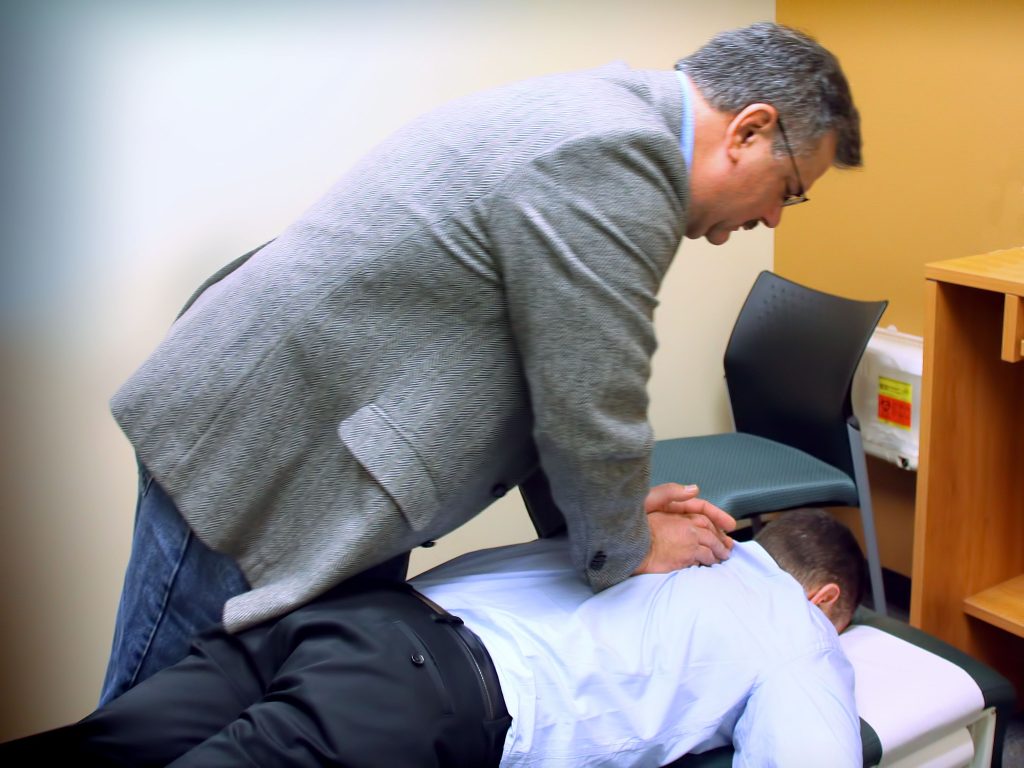
Physiotherapy & Chiropractic

Common Elements of Customized Programs:

  • Assessment and Evaluation: In-depth analysis of your current mobility, strength, and pain levels.
  • Manual Therapy: Hands-on techniques to reduce pain, increase circulation, and improve joint movement.
  • Therapeutic Exercises: Tailored exercises to strengthen muscles, improve flexibility, and enhance balance.
  • Modalities: Use of ultrasound, electrical stimulation, or heat and cold therapy to support healing.
  • Education and Lifestyle Advice: Guidance on posture, ergonomics, and activity modifications to aid recovery and prevent setbacks.

Why Choose a Customized Approach?

A personalized program maximizes your potential for recovery by focusing on your unique body mechanics, injury history, and lifestyle demands. This approach ensures that:

  • Recovery targets the root cause, not just symptoms
  • Progress is measurable and motivating
  • Therapy evolves based on your improvement
  • Treatment fits your daily schedule and preferences

Realize Long-Term Benefits

By committing to a customized physiotherapy recovery program, you can look forward to:

  • Increased strength and endurance
  • Enhanced joint flexibility and coordination
  • Reduced pain and inflammation
  • Greater confidence in daily activities
  • Prevention of recurring injuries
  • Overall improved quality of life

Take Control of Your Recovery Today

If you are ready to rebuild your mobility and regain your independence, customized physiotherapy recovery programs offer a proven, positive pathway to lasting health. With expert guidance and a plan designed just for you, achieving your movement goals is within reach.

Eyelid Surgery Enhances Appearance by Removing Sagging Skin Gently

Posted on May 9, 2025May 16, 2025

Eyelid surgery, also known as blepharoplasty, is a popular cosmetic procedure designed to enhance the appearance of the eyes by gently removing sagging skin, excess fat, and sometimes muscle from the upper and/or lower eyelids. As we age, the skin around our eyes naturally loses elasticity and firmness, leading to drooping eyelids, puffiness, and under-eye bags. These changes can make a person look tired, older, or less alert, even if they feel rested and energetic. Eyelid surgery helps to restore a more youthful and refreshed look, improving not only appearance but also, in some cases, vision if sagging skin obstructs sight. The procedure is usually performed by a skilled plastic surgeon or an oculoplastic specialist, and it is often done on an outpatient basis under local anesthesia with sedation or general anesthesia, depending on the complexity and patient preference. One of the main advantages of eyelid surgery is its subtlety; rather than drastically changing the eye’s shape; it gently tightens the skin and smooths wrinkles, resulting in a natural, rejuvenated appearance. This gentle approach ensures that the face looks refreshed without appearing overdone or artificial, which a concern for many people is considering cosmetic treatments.

Eyelid Surgery

During the surgery, precise incisions are made along the natural creases of the upper eyelids or just below the lash line on the lower lids, which helps to hide any resulting scars. The surgeon then carefully removes or repositions excess skin and fat to create a firmer, smoother eyelid contour. For the upper eyelids, this removal reduces heaviness and sagging that may impair peripheral vision, while for the lower eyelids, the procedure addresses puffiness and bags that contribute to a tired look. Because the incisions follow natural lines, the healing process usually results in minimal visible scarring. Recovery from eyelid surgery tends to be relatively quick and straightforward. Most patients experience mild swelling and bruising around the eyes, which gradually improve over one to two weeks. During this time, it is important to follow post-operative care instructions, such as applying cold compresses, keeping the head elevated, and avoiding strenuous activities.

The results of the surgery typically become more noticeable as swelling subside, revealing a refreshed and brighter eye area. Many people report feeling more confident and youthful, as their eyes now better reflect their true energy and personality. Beyond aesthetics, eyelid surgery can also improve functional issues related to drooping eyelids. For individuals whose sagging skin interferes with vision, the procedure can enhance their field of view and reduce eye strain. This functional benefit, combined with the cosmetic improvements, makes eyelid surgery a valuable option for many seeking to rejuvenate their facial appearance and check this https://goodmenproject.com/health/the-eyes-have-it-a-guide-to-different-types-of-eyelid-surgery/. In summary, eyelid surgery gently removes sagging skin and excess tissue around the eyes to create a fresher, more alert and youthful appearance. Its minimally invasive nature, combined with effective and natural-looking results, makes it a popular choice for those wishing to combat the visible signs of aging around the eyes. Whether motivated by cosmetic or functional reasons, this surgery offers a safe and effective way to enhance one’s overall facial harmony and self-confidence.

New Prosthetic Innovations Restore Confidence

Posted on May 2, 2025May 15, 2025

Recent advancements in prosthetic technology are transforming lives in profound and positive ways, restoring not only mobility but also confidence and a renewed sense of independence to millions around the world. With rapid strides in biomedical engineering, today’s prosthetics are more functional, comfortable, and lifelike than ever before. These innovations are empowering users to engage more fully in their daily lives, participate in physical activities, and pursue personal and professional goals with greater confidence. One of the most groundbreaking developments in modern prosthetics is the integration of advanced materials and smart technologies. Lightweight carbon fiber, 3D printing, and robotics have come together to create limbs that closely mimic the natural movement and responsiveness of biological limbs. Myoelectric prosthetics, which use electrical signals from the user’s muscles to control movement, have become increasingly intuitive, allowing for more precise and effortless control. These improvements not only enhance functionality but also significantly reduce the learning curve for new users, making the transition smoother and more empowering.

In addition to physical functionality, aesthetics have also seen remarkable enhancements. Customizable designs, skin-tone matching, and even artistic features enable users to express their personality and style through their prosthetic limbs. This attention to appearance helps reduce stigma, boosts self-esteem, and promotes social engagement. Users often report feeling more confident in social and professional settings, knowing that their prosthetics not only serve a functional purpose but also reflect their identity. Another uplifting trend is the increasing accessibility of these high-tech prosthetics. As technology becomes more widely available and costs decrease, more individuals from diverse economic backgrounds can benefit from these life-enhancing devices and Check This Out. Organizations, nonprofits, and health initiatives around the world are working diligently to ensure that people in underserved communities gain access to modern prosthetics. This inclusivity ensures that everyone, regardless of their location or financial status, has the opportunity to reclaim mobility and independence.

Children and young adults, in particular, are reaping the benefits of these innovations. Pediatric prosthetics designed to grow with the child, paired with fun and colorful designs, help normalize the experience and encourage active participation in sports, school, and play. Parents and caregivers often report an improvement in their child’s emotional well-being and outlook on life, highlighting the holistic impact of prosthetic advancements. The positive outcomes extend beyond the individual, touching families and communities as well. When people regain their ability to walk, hold objects, or even return to work and hobbies they love, their overall quality of life improves dramatically. This ripple effect fosters a greater sense of inclusion, productivity, and shared happiness within society.

Embrace Relaxation and Wellness through Business Trip Massage Techniques

Posted on February 7, 2025February 25, 2025

Business Trip Massage techniques have long been a source of comfort and healing, offering both physical and mental benefits. In today’s fast-paced world, where stress and tension often take a toll on the body and mind, embracing relaxation through Business Trip Massage can be a transformative experience. These ancient practices have evolved, integrating modern techniques that allow individuals to restore balance and vitality. Whether you seek relief from physical discomfort, a mental break, or a holistic approach to self-care, Business Trip Massage techniques provide a way to revitalize your well-being in an increasingly hectic life. One of the most popular forms of Business Trip Massage is Swedish Business Trip Massage, known for its gentle yet effective approach. This technique uses long, flowing strokes combined with kneading to promote relaxation and improve circulation. By stimulating blood flow, Swedish Business Trip Massage helps release muscle tension, alleviates stress, and supports overall bodily function. The rhythmic movements induce a calming effect on the nervous system, allowing the body to reach a state of deep relaxation, reducing anxiety, and enhancing mood.

Business Trip Massage Therapy

The therapeutic benefits of this Business Trip Massage extend beyond the physical body, often leaving individuals feeling rejuvenated and mentally clear. Another highly effective Business Trip Massage method is deep tissue Business Trip Massage. Unlike Swedish Business Trip Massage, deep tissue targets the deeper layers of muscle and connective tissue. This technique is particularly beneficial for those with chronic muscle pain or tightness. The therapist uses slower strokes and firm pressure to break down muscle knots and alleviate tension in the body. By focusing on specific problem areas, deep tissue Business Trip Massage can help address longstanding discomfort and restore mobility and use this link to find more reference. The intensity of the technique may require adjustment based on personal preference, ensuring that it is tailored to each individual’s needs. Hot stone Business Trip Massage is another restorative technique that combines heat therapy with the therapeutic benefits of Business Trip Massage. Smooth, heated stones are placed on specific points of the body to relax tight muscles and improve blood flow. The warmth from the stones penetrates deeply into the muscles, encouraging the release of tension and promoting overall relaxation.

Aromatherapy Business Trip Massage blends the benefits of Business Trip Massage with the healing power of essential oils. These oils are derived from plants and contain natural therapeutic properties that can promote healing, reduce anxiety, and boost mood. Depending on the oils used, aromatherapy Business Trip Massage can focus on relaxation, rejuvenation, or even detoxification. The gentle touch of the Business Trip Massage combined with the calming scents of essential oils creates an immersive experience, allowing individuals to release emotional and physical tension. It offers a holistic approach to wellness by addressing both the body and mind in unison. Reflexology, another unique form of Business Trip Massage, focuses on specific pressure points on the feet, hands, and ears, corresponding to different areas of the body. The theory behind reflexology is that stimulating these points can have a positive effect on the organs and systems they correspond to. Reflexology can help reduce stress, improve circulation, and promote overall health by restoring balance and energy flow in the body.

A Guide to Delta 9 THC Gummies’ Effects and Legal Clarity

Posted on November 28, 2024February 7, 2025

Delta 9 THC gummies have gained significant popularity in recent years as an accessible and discreet way to experience the effects of THC, the psychoactive compound found in cannabis. Delta 9 THC is the same compound it is commonly associated with the traditional cannabis high, and gummies infused with this cannabinoid offer a controlled and convenient method of consumption. These gummies typically come in a variety of flavors and strengths, making them appealing to both new users and experienced consumers alike. When consumed, Delta 9 THC gummies are metabolized by the liver, which converts the THC into a more potent form, resulting in a delayed onset of effects. Unlike smoking or vaping cannabis, where the effects are felt almost immediately, edible THC products like gummies take longer to take effect, usually anywhere from 30 minutes to 2 hours. The delayed onset is due to the digestion process, but the high from edibles tends to last much longer, often up to 4-6 hours, compared to the relatively short duration of a smoke or vape session.

This prolonged effect can be desirable for users who want a longer-lasting experience. The effects of Delta 9 THC gummies can vary from person to person, depending on factors such as body weight, tolerance, and the amount consumed. For most users, the experience can include feelings of euphoria, relaxation, altered sensory perception, and an enhanced sense of creativity or focus. However, some individuals may also experience side effects such as dry mouth, increased heart rate, paranoia, or dizziness, especially when consuming higher doses. It is important for users to start with a low dose, particularly if they are new to THC edibles, and wait for the effects to fully set in before deciding to consume more. In terms of legal clarity, the legality of Delta 9 THC gummies is largely dependent on the state or country in which they are being sold.

However, this law only applies to hemp-derived products, and many states have their own regulations regarding the sale and use of THC products. Some states have fully legalized recreational cannabis, while others have medical marijuana programs, and some still maintain strict bans on all forms of THC. Therefore, it is crucial to be aware of local laws before purchasing or using Delta 9 THC gummies. For example, is delta 9 thc legal in georgia? In Georgia, Delta 9 THC is legal as long as it meets the federal guidelines under the 2018 Farm Bill. In conclusion, Delta 9 THC gummies offer a convenient and effective way to experience the effects of THC. They are popular for their long-lasting effects, discreet nature, and variety of options available to consumers. However, users should exercise caution, especially with dosage, and stay informed about the legal landscape in their area to ensure they are in compliance with local regulations.

  • 1
  • 2
  • 3
  • 4
  • …
  • 27
  • Next

Search

More News

  • How to Find Reliable, Quality Childcare in Southport (without getting dazzled by the foyer)
  • Metal Card Pricing Guide: What Actually Moves the Price (and Where You Should Refuse to Pay)
  • Professional Facility Management in Adelaide Pays for Itself (Yes, Really)
  • Concealed hinge systems provide durability and long-lasting performance.
  • Efficient Gaming Utilities for Elevated Digital Performance

List Of Categories

  • Agriculture
  • Anime
  • Application
  • Automobile
  • Beauty
  • Blogging
  • Business
  • Career
  • Construction
  • Dental
  • Digital Marketing
  • Education
  • Entertainment
  • Fashion
  • Finance
  • Fitness
  • Food
  • Furniture
  • Games
  • General
  • Health
  • Home
  • Home Improvement
  • Home improvements
  • Insurance
  • Internet Marketing
  • Law
  • Marketing
  • News
  • Pet
  • Pets
  • photographer
  • Photography
  • Real Estate
  • SEO
  • Shopping
  • Social Media
  • Software
  • Sports
  • Technology
  • Travel
  • Uncategorized
  • Web Design
  • Web Development
  • Web Hosting
  • Wedding
©2026 Free Wordpress Headers