
Industrial piping systems depend on accurate measurements to achieve smooth installation, dependable operation, and consistent fluid control. Every valve component must fit correctly within the intended pipeline arrangement to support efficient performance. Careful measurement practices help installation teams maintain alignment, improve equipment compatibility, and create well-organized piping systems. Understanding essential valve dimensions also encourages better planning and contributes to long-term operational reliability.
Importance of Accurate Valve Measurements
Precise measurements provide a strong foundation for successful industrial installations. They help professionals identify suitable valve configurations while ensuring that connected pipeline components work together effectively. Proper dimensional planning also supports efficient equipment positioning and installation accuracy.
Accurate measurements offer several valuable advantages:
- Improve compatibility between valves and connecting pipelines.
- Support correct positioning within existing piping arrangements.
- Encourage consistent installation quality across industrial systems.
- Simplify equipment selection and technical evaluation.
- Promote dependable operation through appropriate component fitting.
Essential Dimensions for Proper Valve Selection
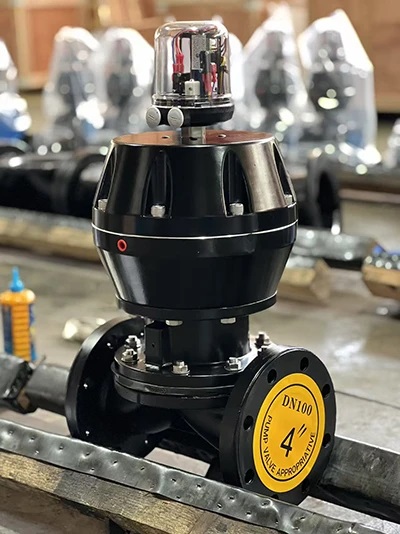
Different valve dimensions contribute to installation suitability and functional efficiency. Understanding these measurements helps professionals evaluate equipment according to pipeline requirements, connection arrangements, and available installation space. A detailed dimensional review creates greater confidence during equipment selection.
Important measurements include:
- Nominal pipe size: Identifies the intended pipeline connection size and supports compatibility.
- Face-to-face dimension: Determines the distance between valve connection faces for accurate positioning.
- Overall height: Helps establish sufficient vertical clearance within the installation area.
- Disc diameter: Supports appropriate internal configuration and effective fluid passage.
- Flange dimensions: Help ensure suitable alignment with adjoining pipeline connections.
Improving Installation Planning Through Dimensional Accuracy
Well-organized installation planning becomes easier when accurate technical measurements are available. Professionals can evaluate equipment positioning, connection requirements, and surrounding clearance before beginning assembly. Reviewing https://www.vincervalve.com/butterfly-valve-dimensions/ can provide useful dimensional information for understanding butterfly valve specifications and supporting informed selection decisions.
Detailed planning delivers important benefits:
- Encourages accurate pipeline layout preparation.
- Supports suitable spacing between connected components.
- Improves coordination during equipment assembly.
- Helps identify appropriate connection configurations.
- Promotes efficient use of available installation space.
Supporting Reliable Pipeline Compatibility
Dimensional compatibility plays an important role in maintaining effective connections throughout industrial piping networks. Properly matched components support smooth integration and help maintain consistent mechanical alignment. Reviewing technical specifications before installation encourages dependable results and a more organized equipment arrangement.
Professionals can strengthen compatibility by considering:
- Pipeline diameter and connection requirements.
- Pressure ratings and operating conditions.
- Available clearance around the valve assembly.
- Flange patterns and bolt arrangements.
- Material specifications and application suitability.
Enhancing Long-Term Equipment Performance
Accurate measurements contribute to dependable equipment operation beyond the initial installation process. Correctly selected dimensions support appropriate fitting, convenient inspection access, and effective maintenance planning. These considerations help industrial facilities establish organized systems that deliver consistent performance.
Good measurement practices also encourage:
- Easier equipment inspection and servicing.
- Consistent alignment throughout piping connections.
- Better coordination during replacement activities.
- Improved maintenance preparation and documentation.
- Greater confidence in installation quality.
Building Better Industrial Installation Standards
Detailed valve measurements encourage a professional approach to industrial equipment installation. Combining dimensional accuracy with technical specification reviews helps teams achieve suitable component selection, efficient assembly, and dependable pipeline integration. Consistent measurement practices also strengthen installation documentation and support future equipment planning.
By prioritizing accurate specifications and careful dimensional evaluation, industrial operations can create reliable piping arrangements that support productivity, operational efficiency, and lasting equipment performance